Erotic Magazines Part I
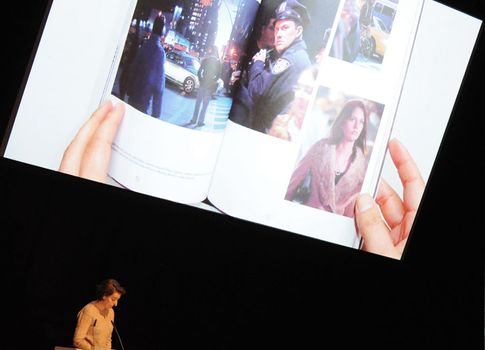
»We still feature sexy images, but it's more art than eroticism now«. A quote from a video flashes up as a woman's hand with red fingernails scrolls through the pages of a magazine. For Mike Koedinger, CEO of Maison Moderne, this is the difference between ›old porn‹, today mostly found in the digital space, and printed erotica. The erotic becomes an event, a tactile experience to be touched, its ownership savoured, not concealed.
»Extra Extra« is a concept erotic magazine, which was founded two years ago by Samira Ben Laloua and invites its readers on journeys of discovery exploring intimate experiences and adventures and the erotic tempo of urban life. Shared fantasies and delightful and humorous descriptions never mean standard pornography for Samira Ben Laloue. For him »sexiness« is connected with style and class and is not synonymous and interchangeable with the purely sexual. Extra Extra describes experiences of social mobility and change in images and texts. In a time in which the conditions of modern life affect personal relationships, at times altering and destroying them, the magazine speaks of sexual identity, hedonism and self-discovery as well as of the desire to preserve sensuality and eroticism and art in an alienated environment.
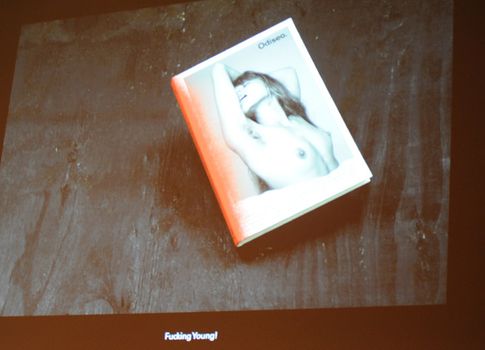
»Odiseo« is a sophisticated, erotic magazine from the workshop of Folchstudio. The joint project, by Publisher Rafa Martínez and designer Pol Pérez focuses on two interesting aspects which are perhaps contradictory at first glance: curiosity - as the driving force of the story and storytelling and publishing. This means that the creators of »Odiseo« have to take risks, risks both in terms of published content which might offend the magazine's readership, as well as business risks in a crisis-ridden industry. To ensure that the content is visually and intellectually stimulating as well as treated with dignity, the publication works with only a select group of writers and photographers. For Pérez and Martínez, their work remains especially unconventional. From conception to implementation, »Odiseo« has a deliberately unfinished feel. Design remains subordinate to content and functions as an aesthetic framework.
Pérez remains guilty of the second aspect of this ignorance in the description of his concept. Setting out the objectives of »Odiseo« as independence without sponsors, independence of content and design and risk awareness in publishing - he allows us to infer the meaning of ignorance.